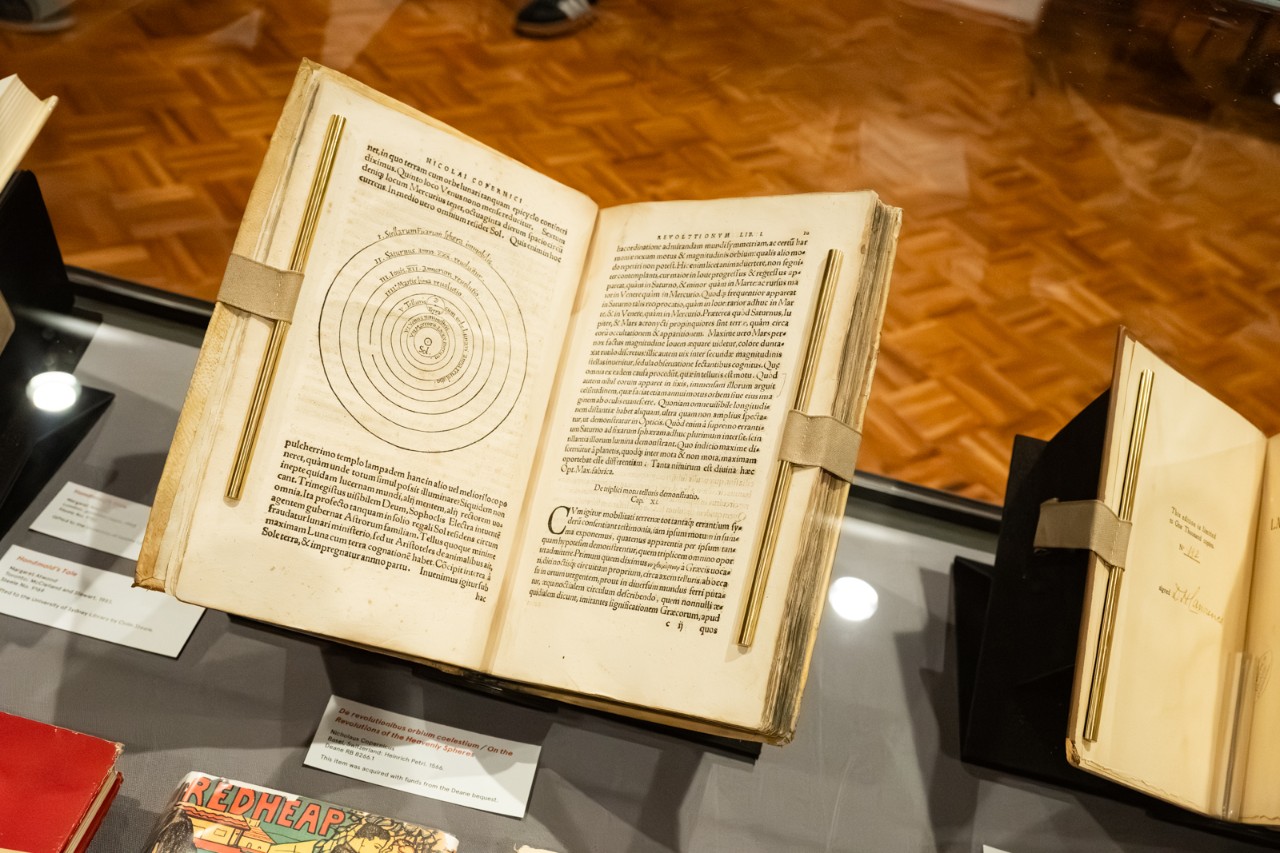
Richard Ovenden on Why Libraries Matter More Than Ever
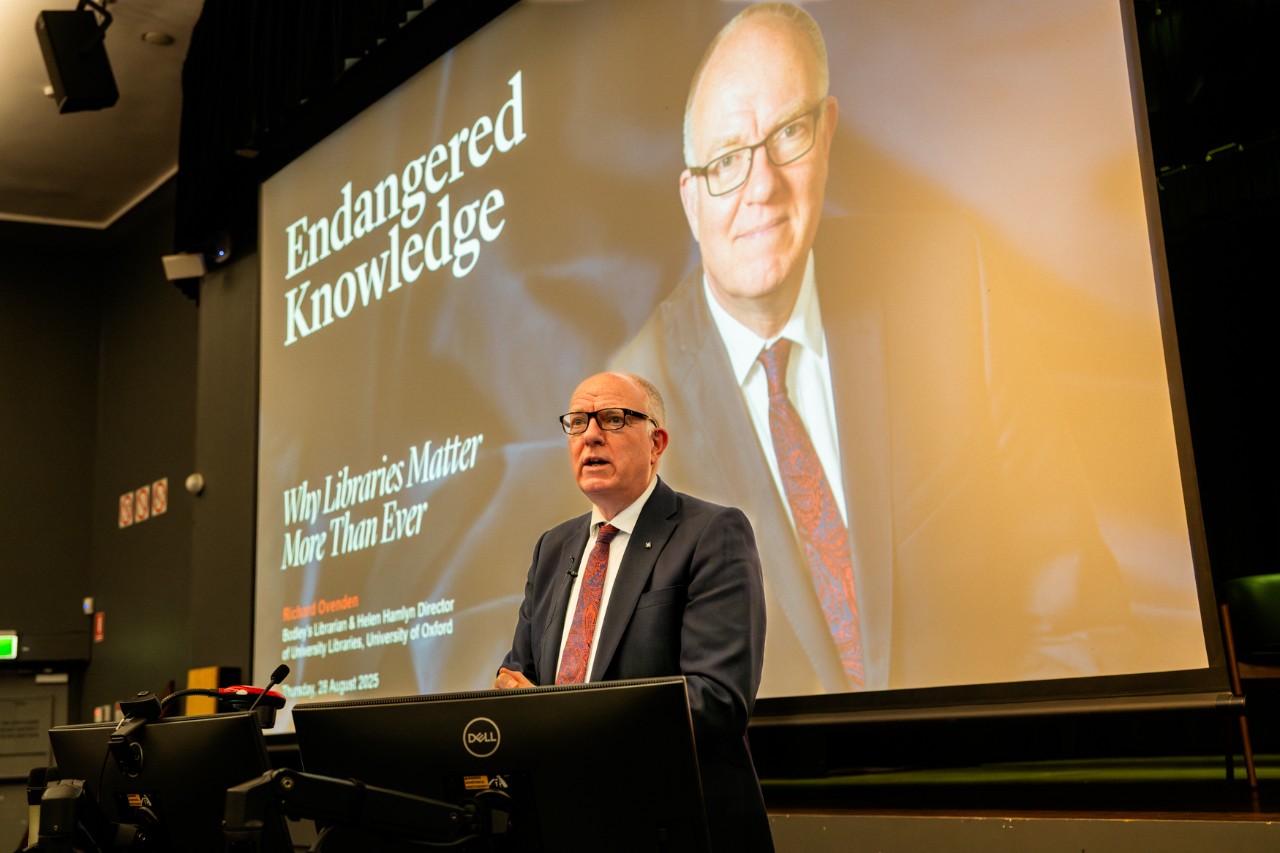
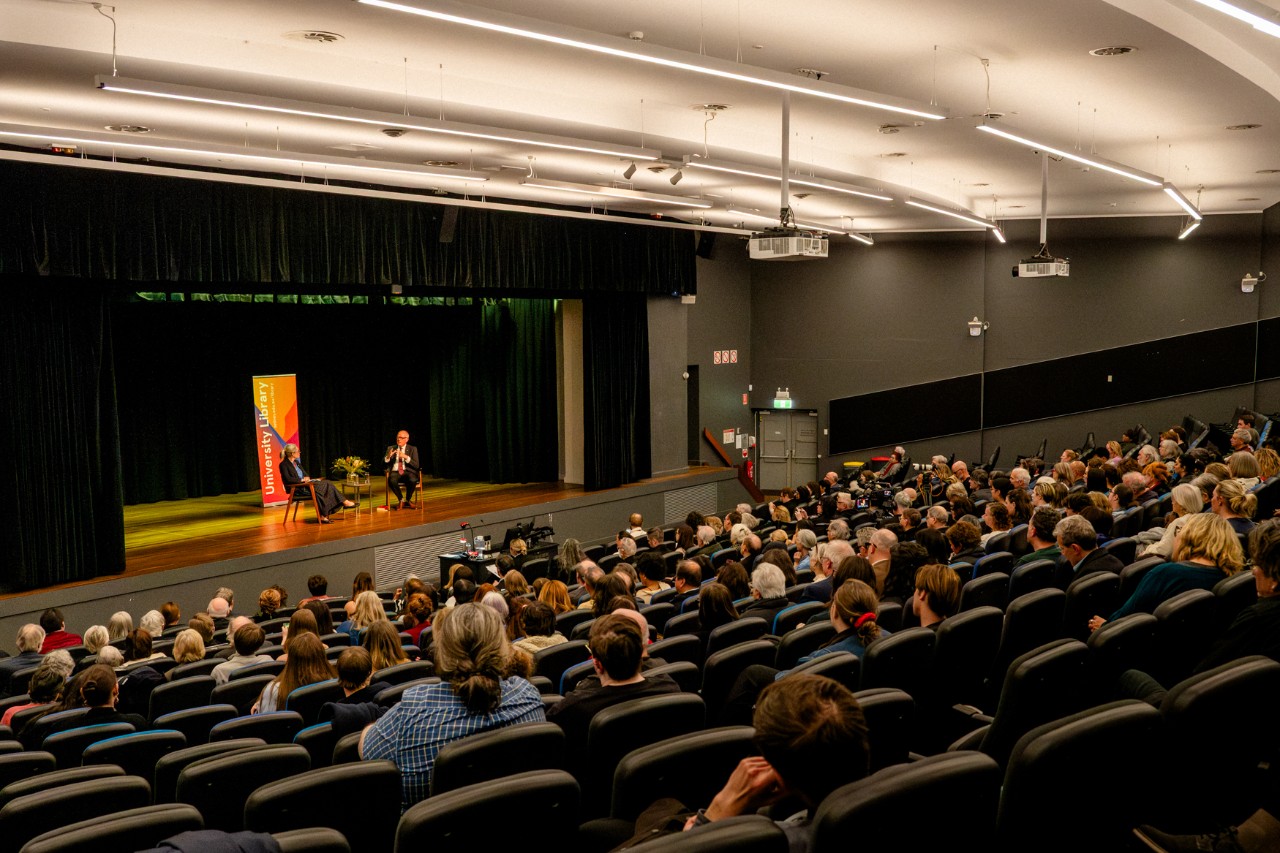
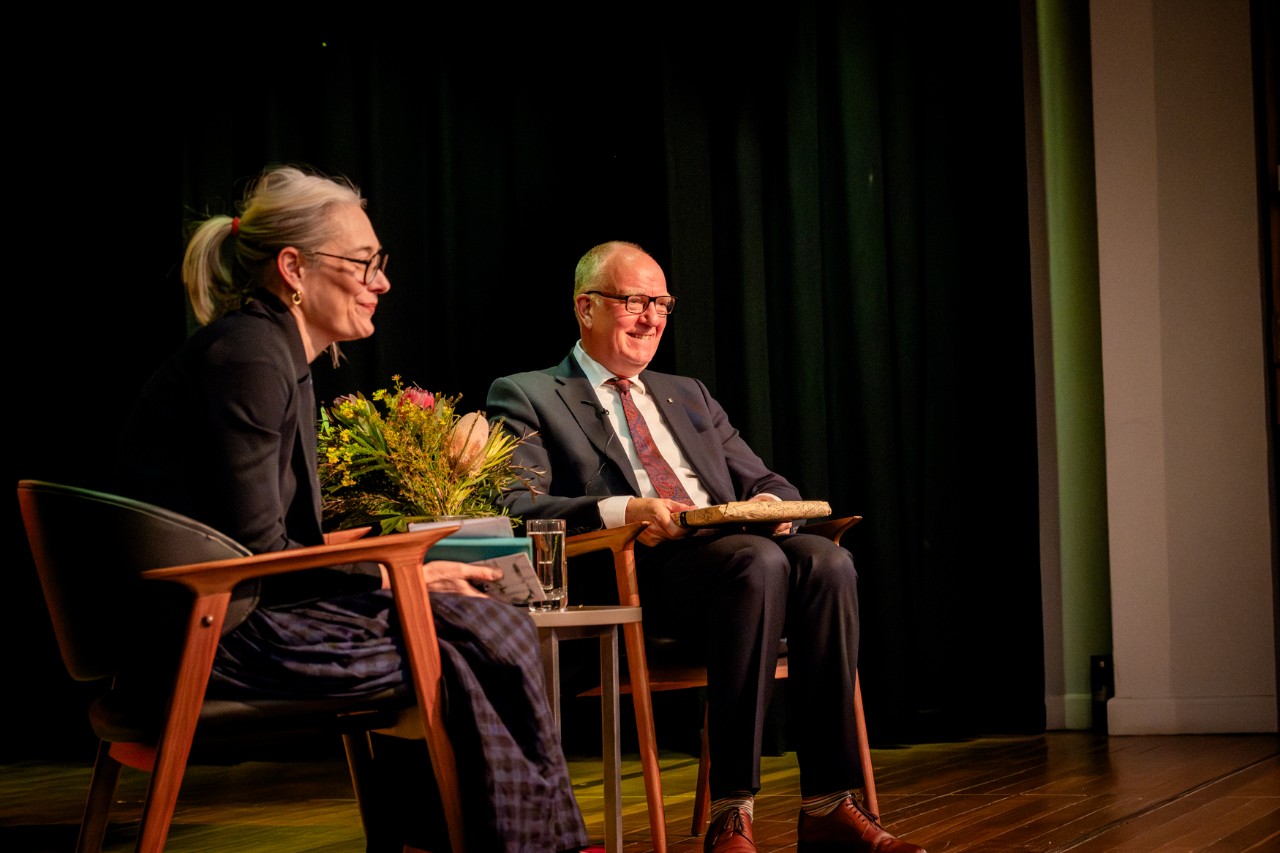
On 28 August 2025, the Library hosted Endangered Knowledge: Why Libraries Matter More Than Ever with Richard Ovenden and Sophie Gee. As the 25th Bodley’s Librarian at the University of Oxford and the author of Burning the Books: A History of Knowledge Under Attack, Richard is a leading advocate for the role of libraries in society and their profound responsibility to preserve and transparently share information. Sophie Gee is the Vice-Chancellor's Fellow and co-host of the literary podcast The Secret Life of Books.
This free event was part of the University’s 175 Anniversary celebrations and was proudly sponsored by the Anderson Family Bequest.
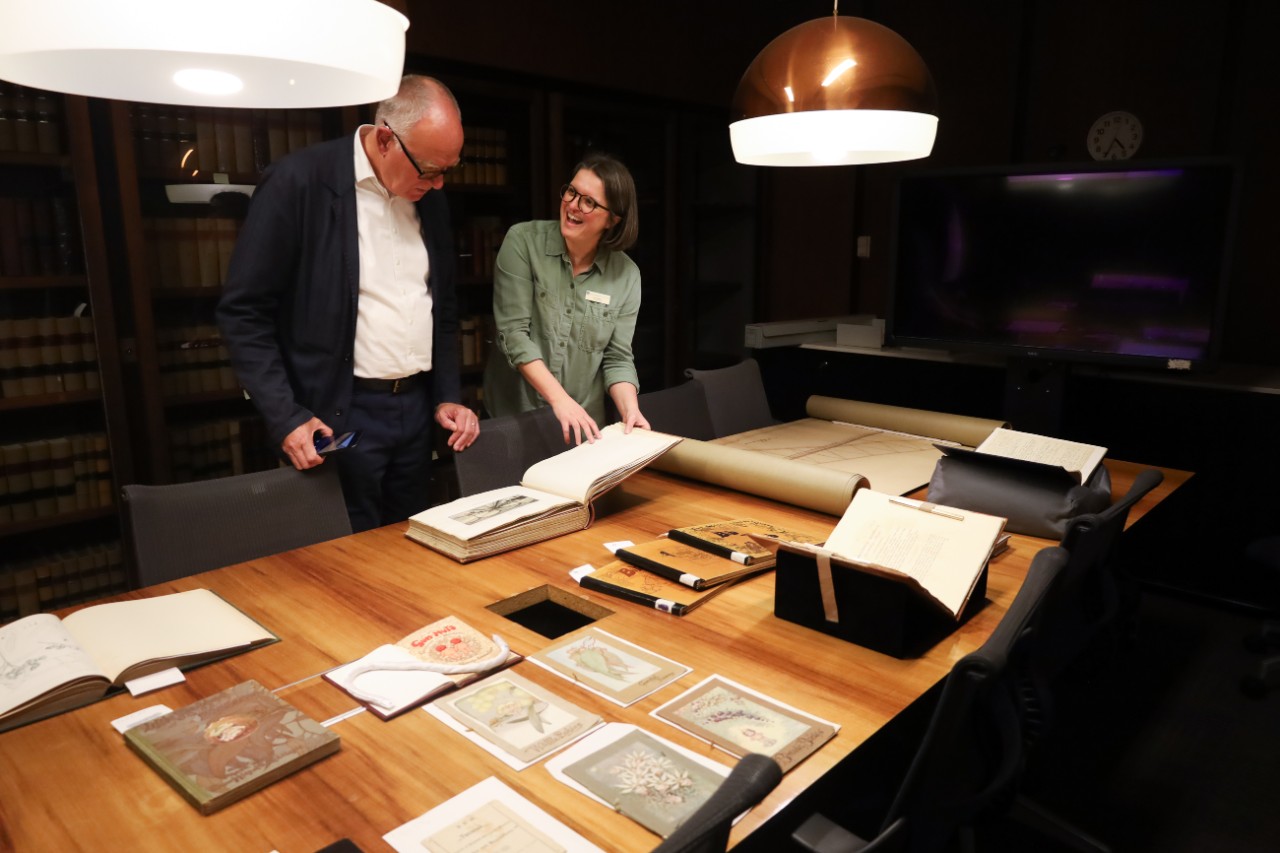
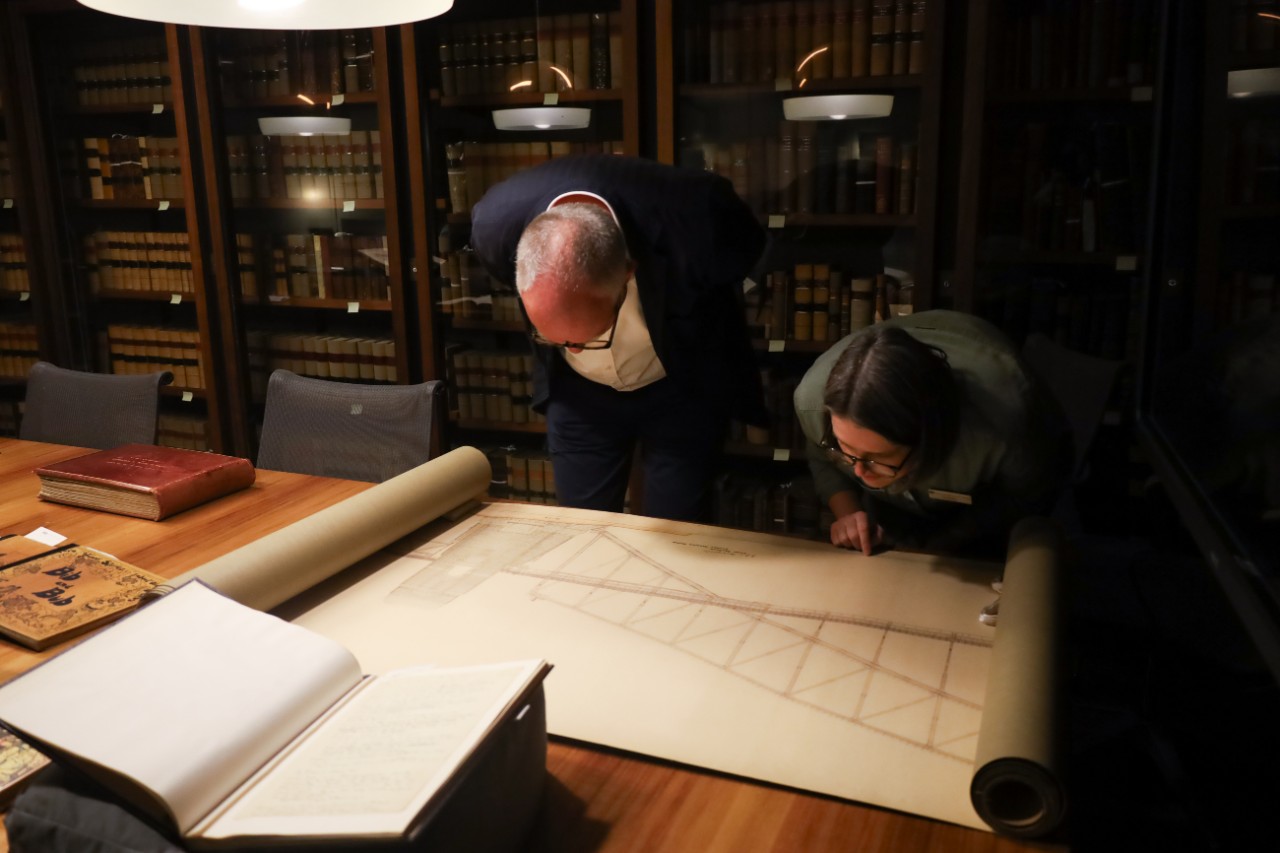
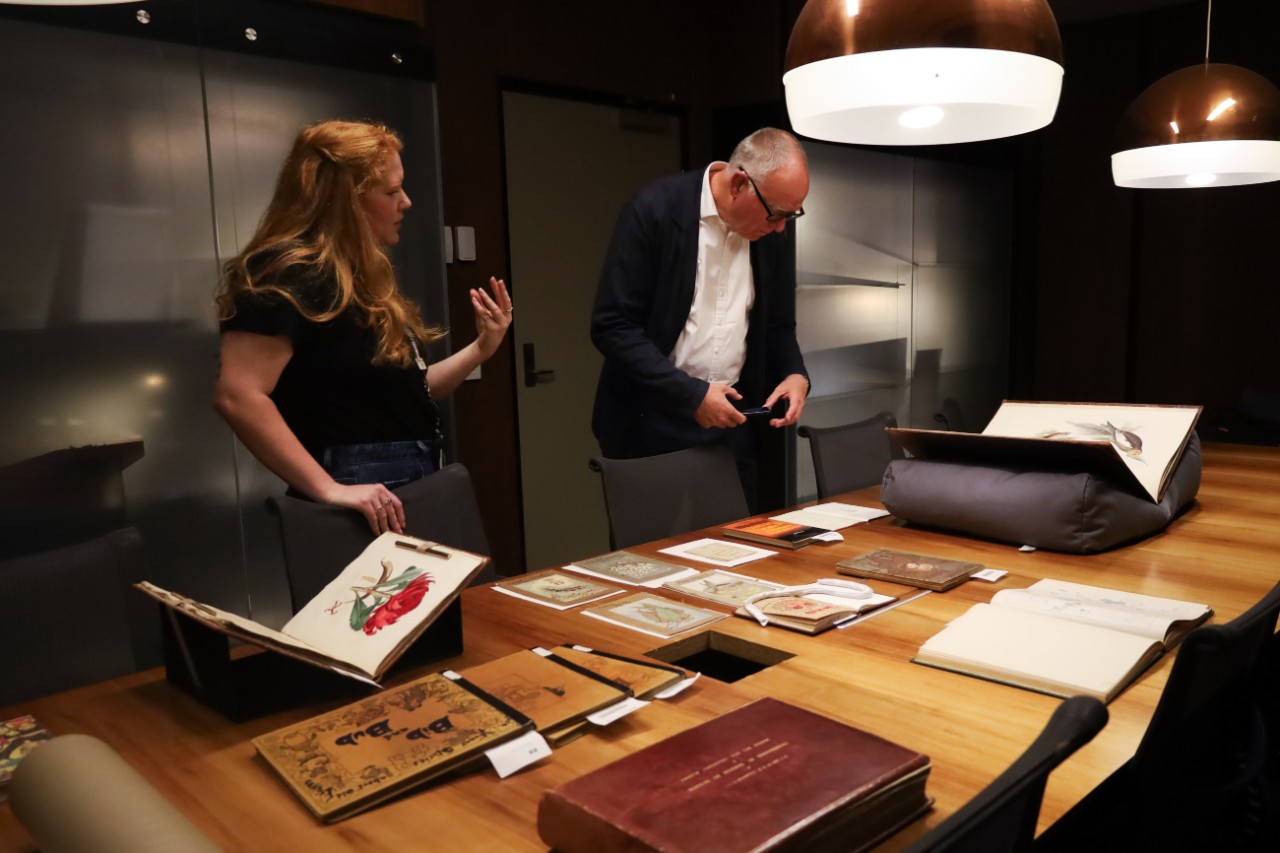
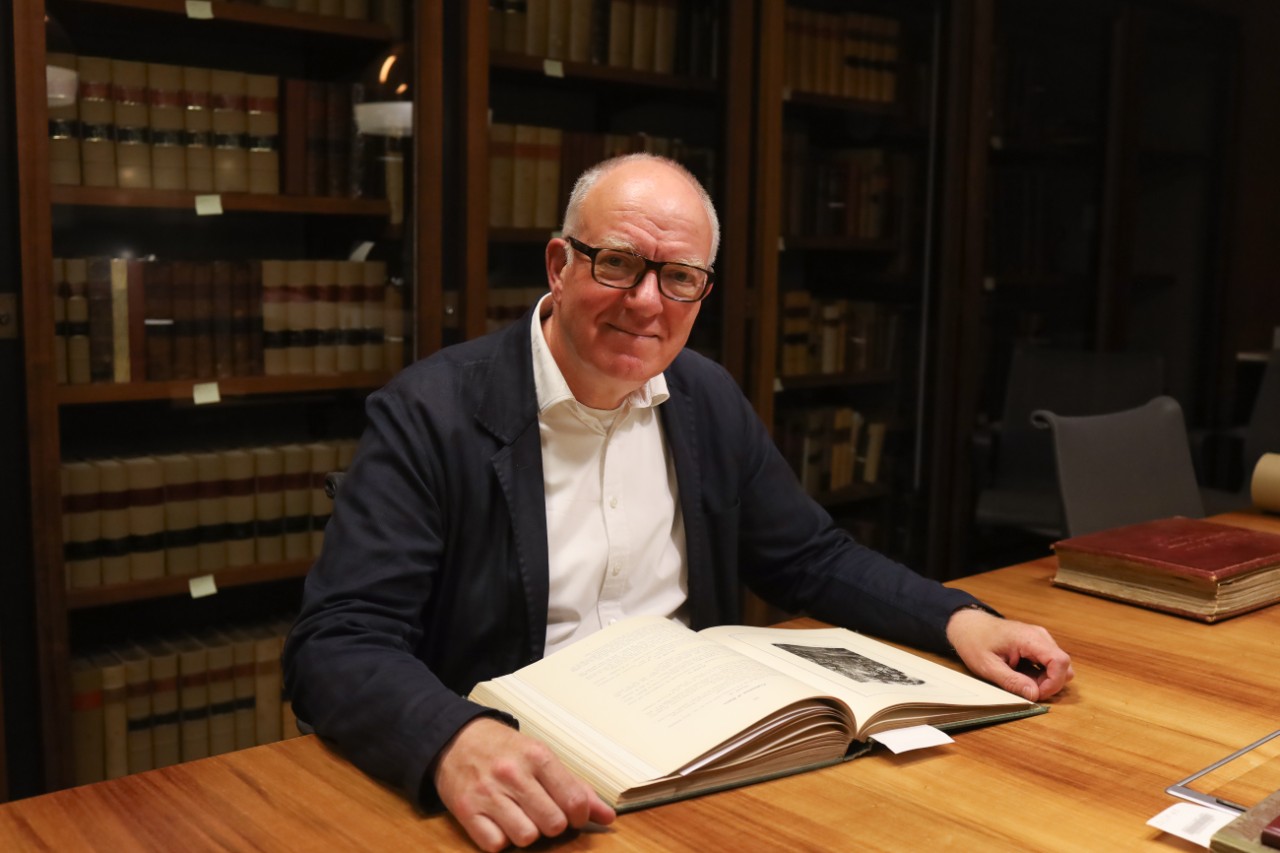
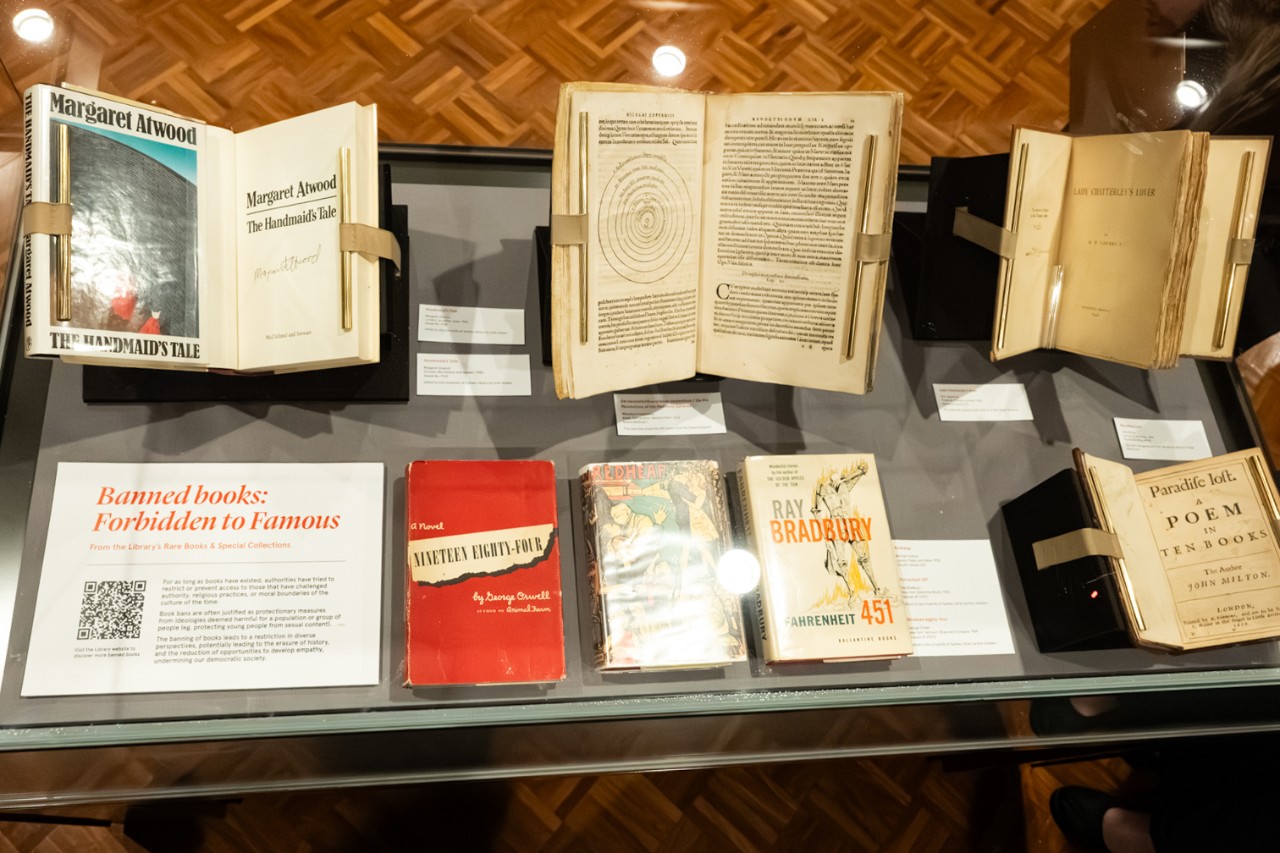
In the lead up to the event, we invited Richard to view some highlights from our Rare Books and Special Collections (above) and to share some of his insights.
As you highlight in Burning the Books, censorship of information has been happening in various forms for as long as knowledge has been recorded. Do you see history being repeated today, or are we in a new and unique situation?
Richard Ovenden (RO): I think it's a bit of both. I think there is a continuum because the kind of motivations are quite similar. It's about control, controlling knowledge to control societies, to control the way people behave, the way people think, the way people spend money.
But the platforms on which knowledge is created and disseminated today are very different from the ones of the past. Obviously, we have social media, we have the internet, we have other forms of born-digital information which are owned by private corporations that operate on a global scale and collect information that we all create free and is used against us.
Burning the Books was published in 2020, before some dramatic global shifts—including the pandemic, the acceleration of generative AI, and ongoing challenges around misinformation and the freedom to read. If you were to write an epilogue today, what new themes or events would you feel compelled to include?
RO: Well, I have been toying with the idea of a new edition. Some of that would be around the Taliban take over in Afghanistan, the war in Ukraine, the destruction of knowledge in Gaza. And then there's the epidemic of book banning in America, which is beginning to find copycat activity in Britain.
Then there’s been the rapid take up of generative AI, chatbots, ChatGPT and Claude, which has been a phenomenon. Those companies and their large language models are hungry for words and guess what libraries have in abundance? Words. And there's the conundrum of could libraries improve how AI works by providing trusted knowledge? We know where it’s been. Or should we not engage, or what might the terms of engagement be? And these are things we increasingly have to really seriously think about.
Do you think we’ll ever have a ‘Digital Bodleian’ with the same cultural weight as the physical one?
RO: I don't see them as being different things; they're the same thing. And I think distinguishing the digital from the physical is the wrong way to look at it. I think it is one entity that is using digital technology, the internet, as a way of disseminating knowledge, but also as a way of finding knowledge that can and should be preserved. Essentially, that function – preserving and sharing knowledge – is what we’ve been doing since 1320. It’s just extending it as the way that information has been gathered and disseminated has evolved.
What responsibilities do libraries have in the fight against misinformation, and furthermore, what is their role in defending democracy today?
RO: Well, the whole thrust of my book is about the social importance of the preservation of knowledge. And so I think libraries and archives have to stay true to their mojo, which is about preserving knowledge, whether that knowledge is true or false. Preserving it, providing metadata, providing access to it so that people in the future can come to their own conclusions about the knowledge and the information that is contained within it. And I think without it, we’re lost to the misinformers and the disinformers.
It's that crucial role where the expertise of librarians and the idea that libraries remain outside of the commercial world – that they are for society and not partisan in this increasingly commercialised information landscape – is of critical importance. And I think that the skills of librarians in understanding metadata, the provenance of information, and being able to label, describe, and find pathways between information and to educate their communities is a vital function, particularly in terms of educating young people.
And finally, thinking of the library as a physical space. Very often I get challenged about whether libraries are still relevant today, and the easiest way of showing how they are is just by taking those people into my library and seeing how full and busy they are. Some of that is the traditional quiet study and research, some of it is students talking to each other and working collaboratively, and some of it is just being around other people in a non-transactional environment. Librarians curate those spaces in the way that they curate knowledge, and I think those skills have been honed over millennia and continue to evolve. I think that's just as valuable a function that libraries have as holding the wonderful manuscripts and rare books.
We have access to more information than ever. What excites you most about the future?
RO: I think what excites me about the future is the way that libraries have returned to their rightful place in the centre stage of society and the increasing realisation of the role that libraries have. It’s partly a very traditional role but libraries have taken that role and are rethinking it for the age in which we live, as they have done over thousands of years.
Seeing new interest in libraries, new colleagues coming into the profession and challenging ideas and creating new ways of approaching problems for the age in which we live is very exciting.
Endangered Knowledge: Why Libraries Matter More Than Ever (recording)
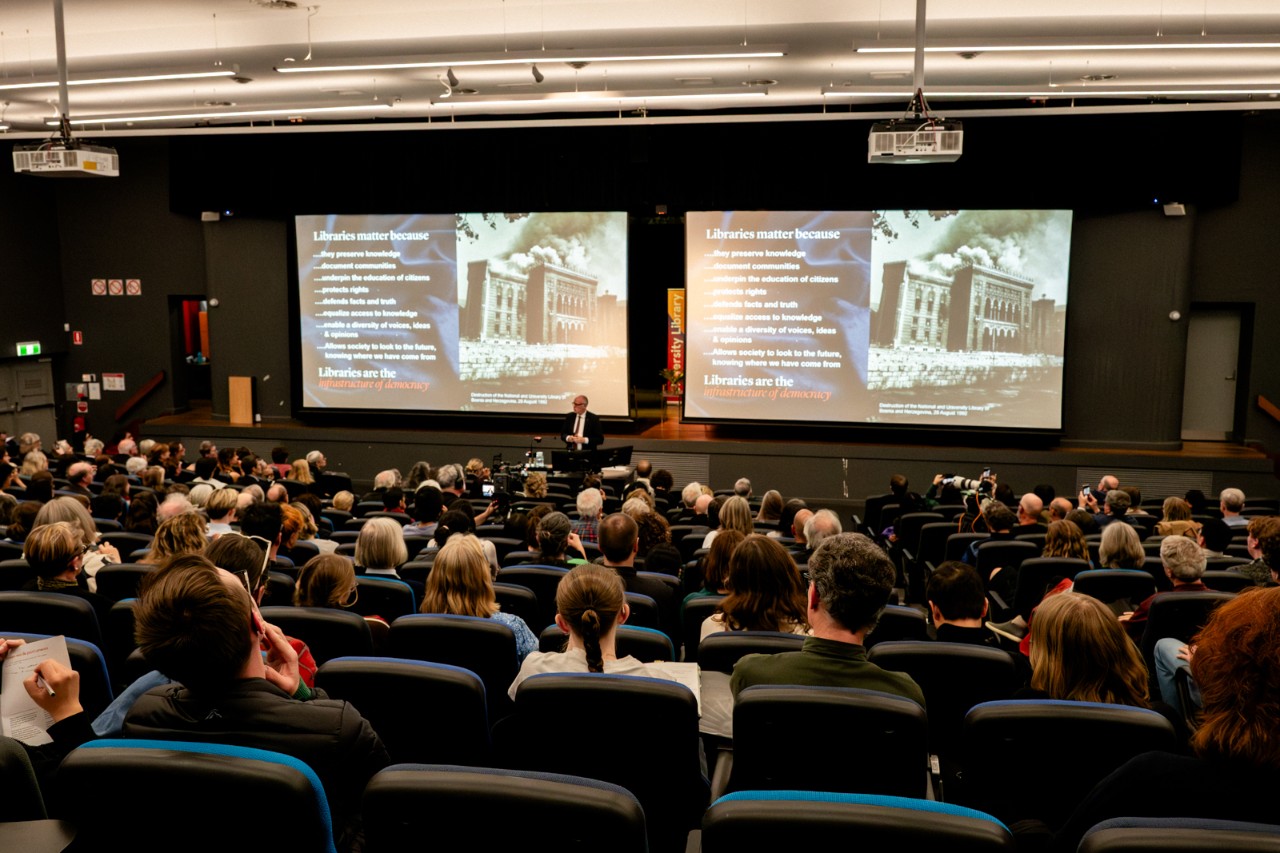
Drawing on his book Burning the Books: A History of Knowledge Under Attack, Richard explored the long history of knowledge destruction – from ancient libraries to modern digital fragility – and why safeguarding information remains one of the most urgent challenges of our time. Richard was then joined for a conversation on stage with Sophie Gee.
This free event took place in the Wallace Theatre at the University of Sydney on Thursday 28 August 2025. It was held as part of the University's 175th Anniversary celebrations and was proudly sponsored by the Andersen Family Bequest.